 Click main image to view in full screen.
Talent Management for C-level and Beyond: Session 1 (Video Training) (PowerPoint PPTX Slide Deck)
PowerPoint (PPTX) + Zip archive file (ZIP) 19 Slides


HUMAN RESOURCES PPT DESCRIPTION
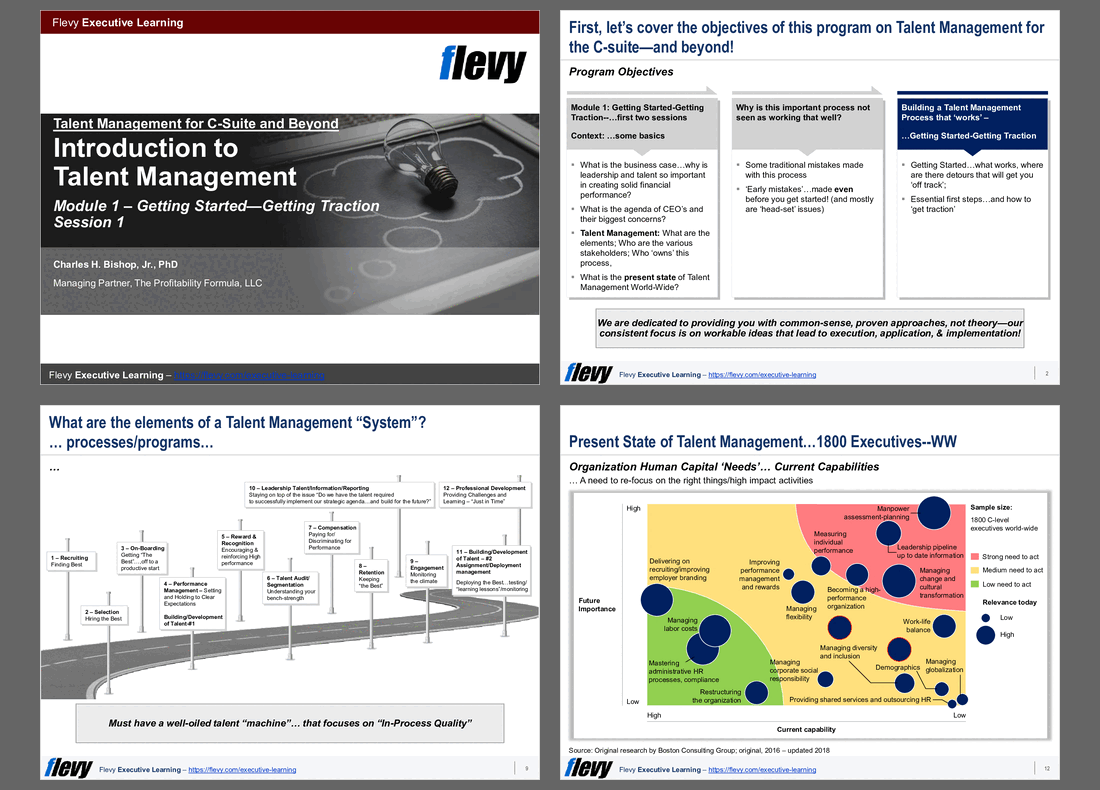
This is session 1 of an online training program on Talent Management for C-level (and beyond), developed by Dr. Charlie Bishop.
It includes:
• Training presentation
• Video training (MP4)
• Human Asset Inventory (34-slide PPTX)
• Organization-Talent Review Action Meeting (20-slide PPTX)
Dr. Charlie Bishop is an accomplished, seasoned executive and published author. Charlie has over 20+ years of experience in senior level positions at Fortune 100 companies, including Federal Express, Baxter, and Bank of America, leading these organizations through significant changes.
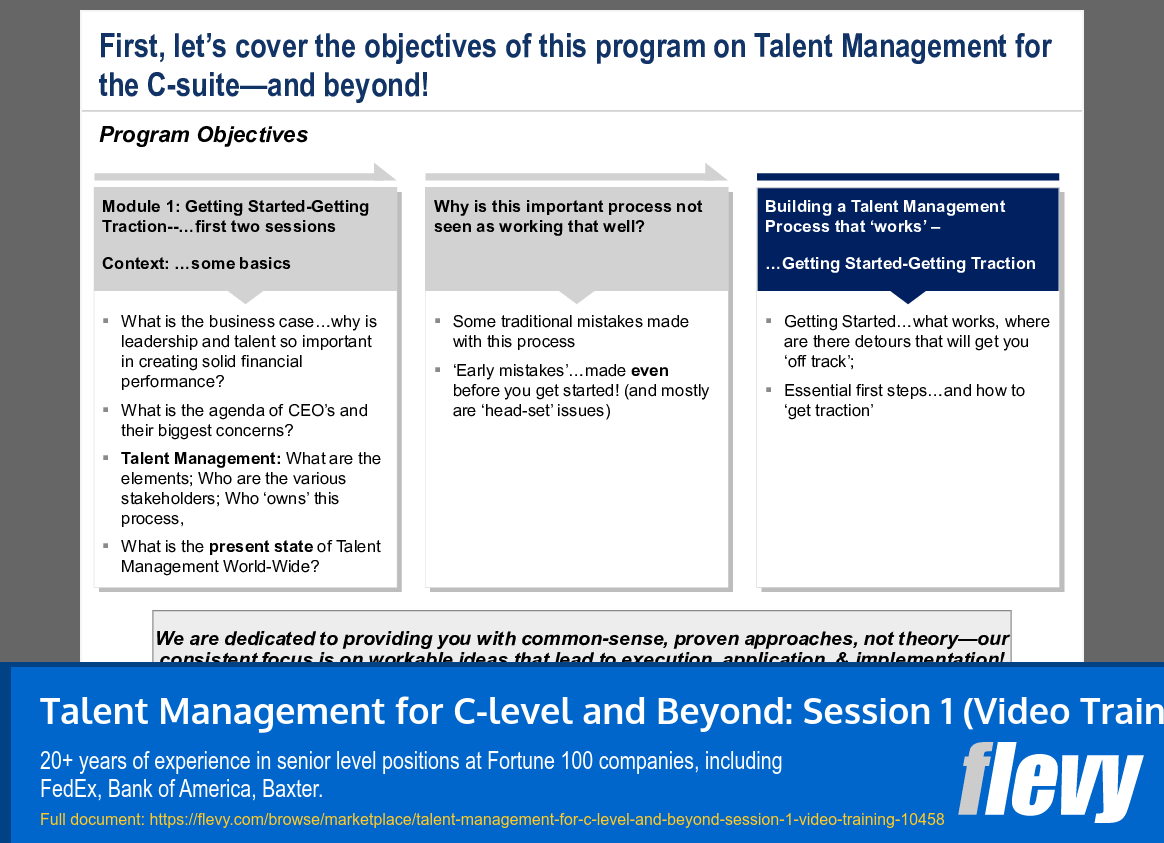
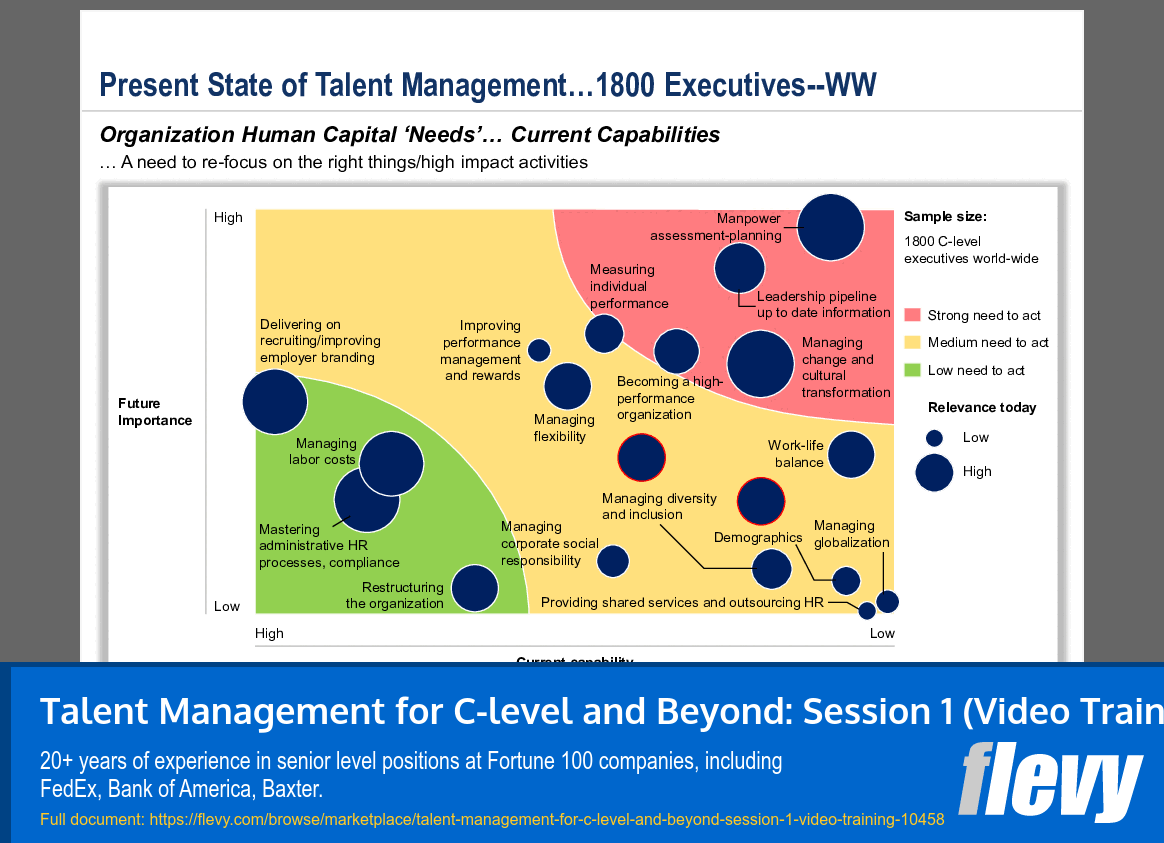
Session 1 makes the hard business case for talent management in the language of growth-focused C-Level executives: innovation, scalability, growth, and profitability. It frames talent not as “a program”, but as a core lever of enterprise value that either compounds returns or quietly taxes your organization every quarter.
We strip away academic clutter and focus on a simple, common-sense operating system for talent that a C-Level executive can ‘work’. The emphasis is on practical, scalable moves you can implement in your leadership team within 30–90 days, not theoretical best practices.
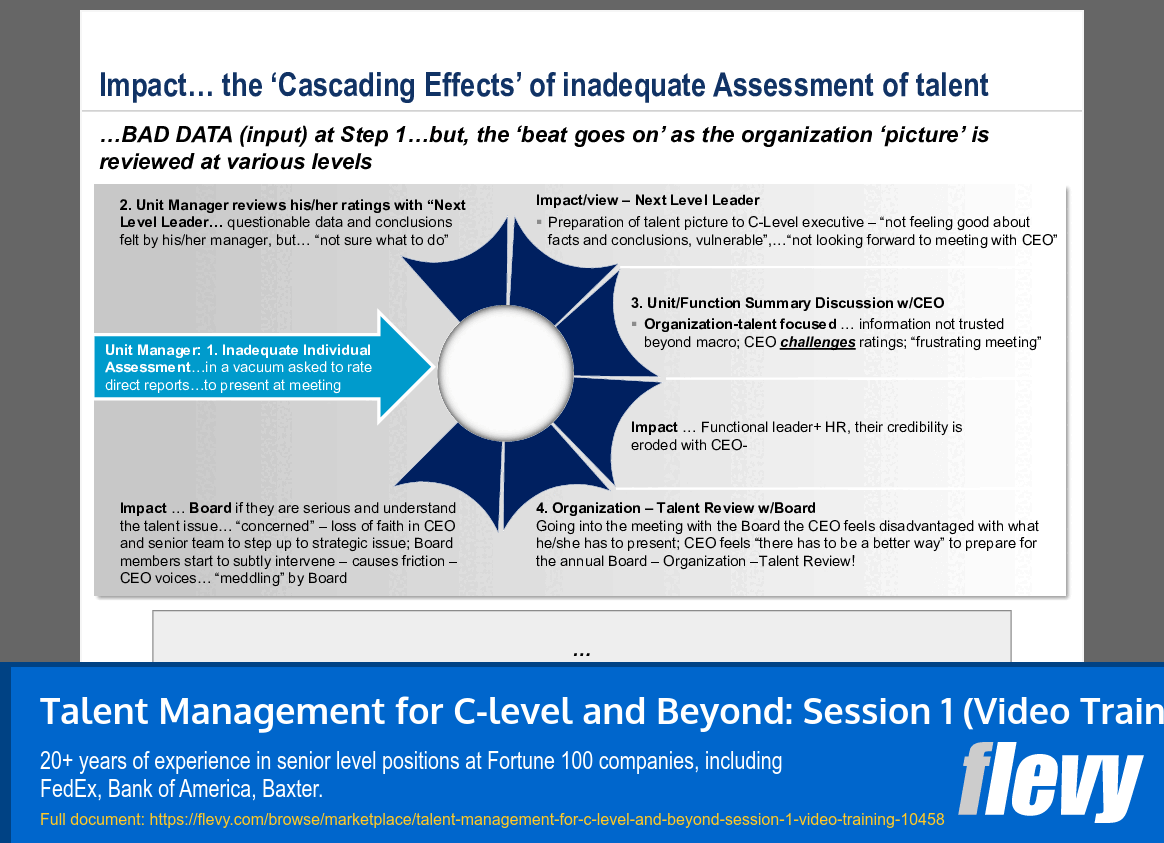
Our bias is that timely leadership assessments and reviews give you a hard-edged view of your real leadership bench—who is ready for more, who is blocking growth, and where your strategy is currently over- or under-funded in talent. This is about giving you better data for capital allocation, succession, M&A integration, and culture building at the top of the house.
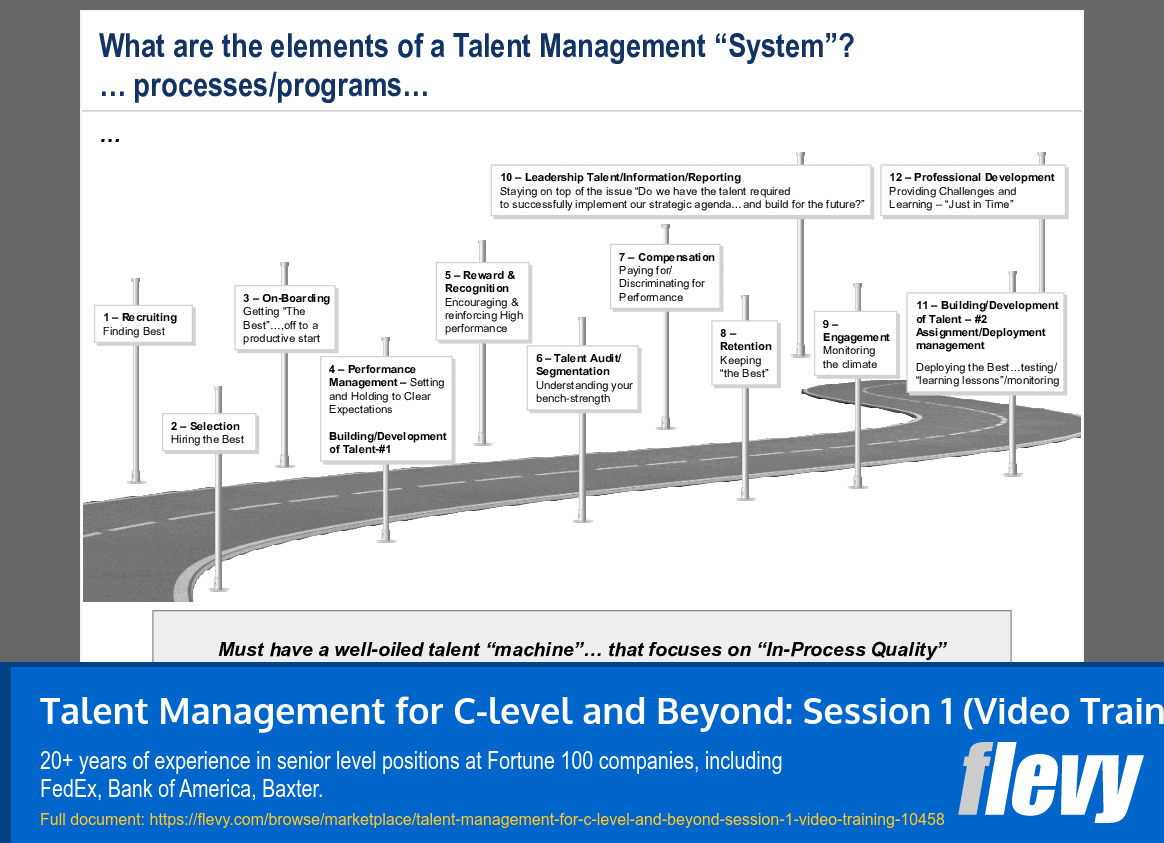
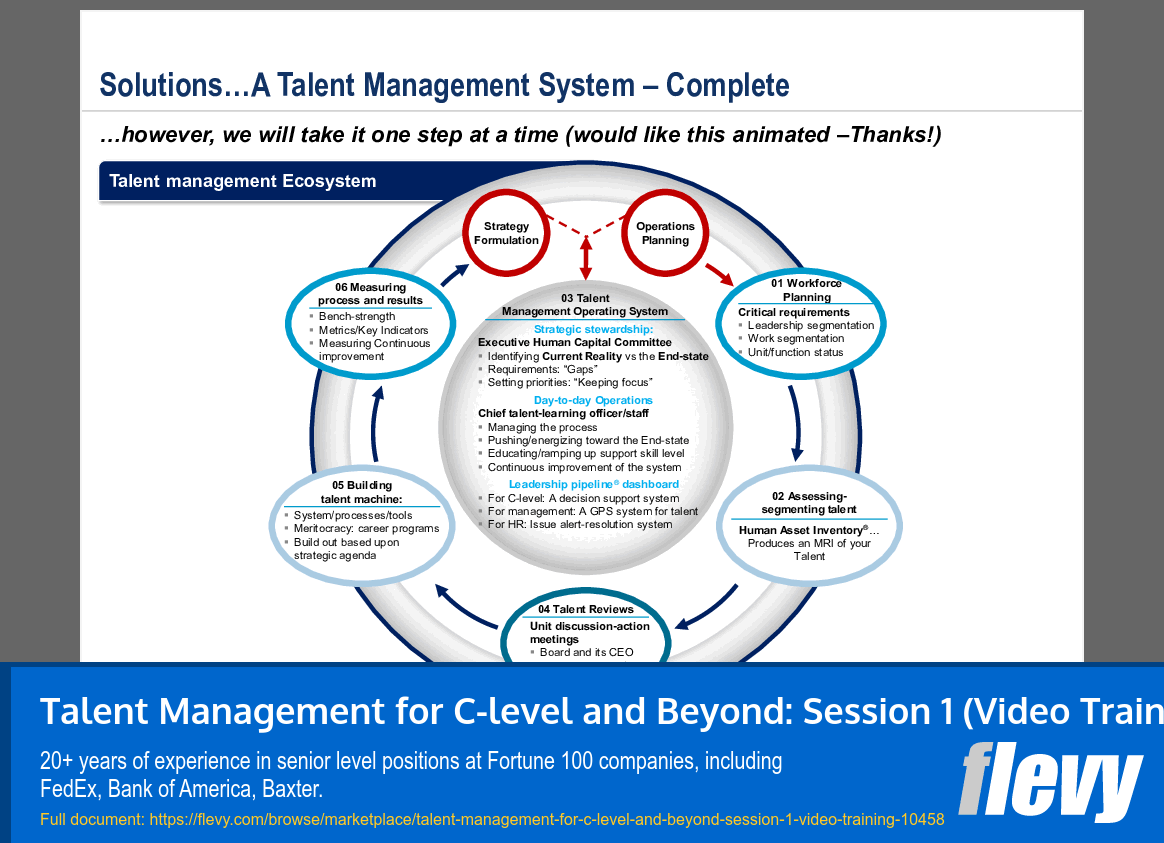
Finally, we introduce an integrated Talent Management Ecosystem designed for growth companies—linking strategy, roles, people, and development into one coherent system you can govern with your team, not a program that ‘might help’.
The goal of Session 1 is simple: provide a framework to help you move beyond talent “hope and habit” and into a repeatable, senior-led discipline for building and deploying leadership and talent at scale.
Dr. Bishop's program aims to change this by providing a proven framework and turnkey toolkit—scalable to any size of organization. Our methodology is a refreshing and different, common-sense approach, which will work for you and for your organization. You will learn best practices discovered in premiere organizations, such as FedEx, Baxter International, Bank of America, and other firms. You will also come to discover and understand how we have truly over-complicated this talent issue. Thus, this program will be about simplification and "common sense" workable solutions.
Got a question about the product? Email us at support@flevy.com or ask the author directly by using the "Ask the Author a Question" form. If you cannot view the preview above this document description, go here to view the large preview instead.
Source: Best Practices in Human Resources PowerPoint Slides: Talent Management for C-level and Beyond: Session 1 (Video Training) PowerPoint (PPTX) Presentation Slide Deck, Dr. Charlie Bishop
ABOUT THE AUTHOR

Dr. Charlie Bishop is an accomplished, seasoned executive and published author. Charlie has over 20+ years of experience in senior level positions at Fortune 100 companies, including Federal Express, Baxter, and Bank of America, leading these organizations through significant changes.
His book, Making Change Happen One Person at a Time, is published by AMACOM and cited by a study group
... [read more]
Ask the Author a Question
You must be logged in to contact the author.




























